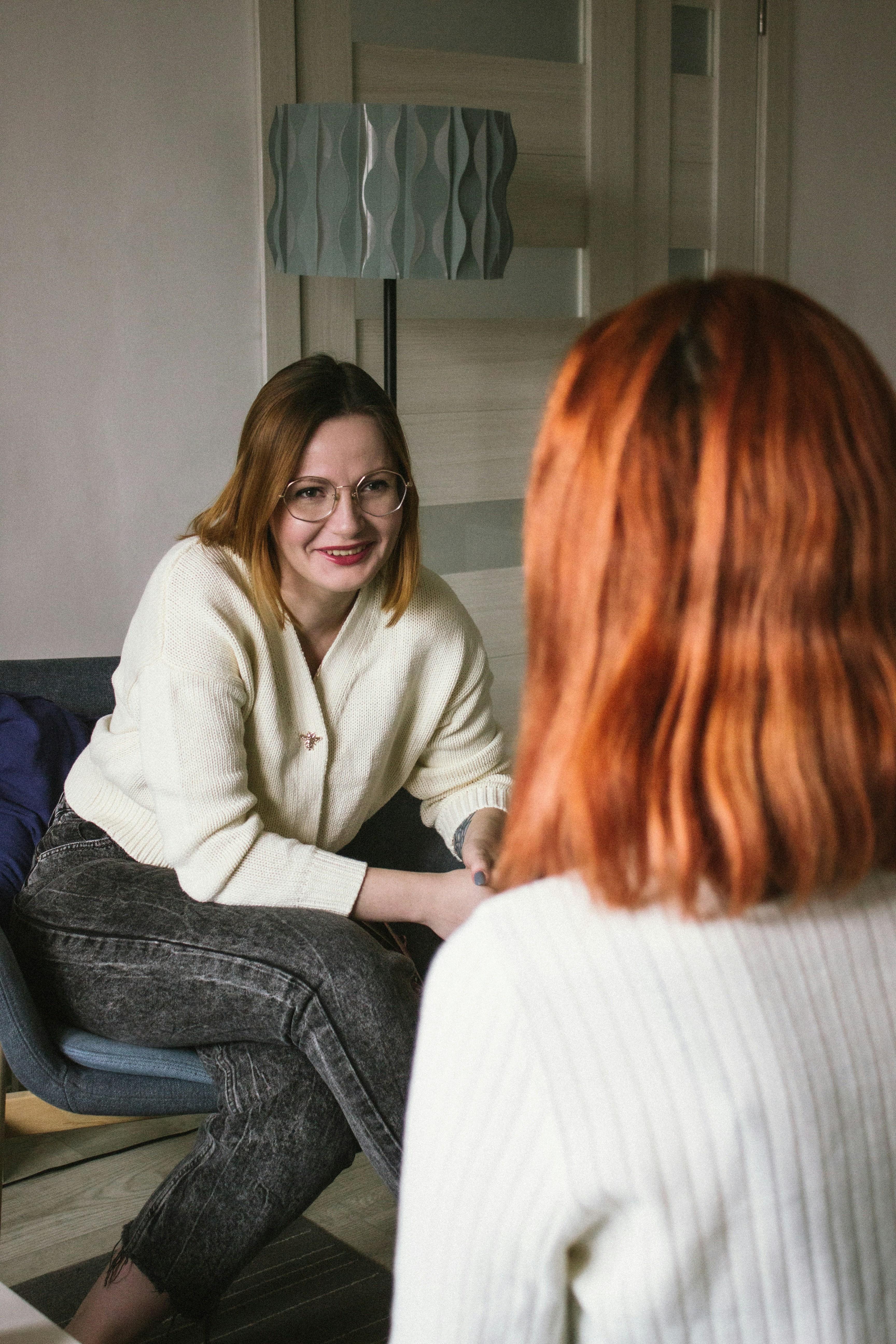

Children grow best when their care is grounded in safety, clarity, and relationships. The model bends to the child, not the other way around. Tuesdays look quite ordinary on purpose.
A young person refuses to attend a meeting. The team explain the purpose, reassure them attendance is voluntary, and offer alternative ways to engage. The relationship comes before the agenda.
Predictable routines
School runs, mealtimes, key-worker check-ins. The shape of the week is the same so a young person can stop bracing for what comes next. Predictability isn't rigidity; it's the foundation that lets everything else become possible.
Calm, regulated responses
Distress is met with containment, not punishment. Behaviour is understood as communication. Discussion comes after the moment, not during. When a child becomes dysregulated during a transition, the team reduce demands, use calm tone and presence, and focus on restoring safety before any discussion.
Trust built through actions
Promises are smaller and kept. Cultural identity and community connections are supported. Consistency is the work. A young adult repeatedly pushes the team away, and the team maintain consistent presence, avoid rejection, and name that the relationship remains even after difficult moments.
This piece reflects the Grounding, Clarity, and Connection domains of our GROUND → GROWTH Model of Care. A real practice anecdote from the senior team will replace the synthesised passages above after the kickoff call. The shape stays; only the words change.